#
Tailor-made solutions

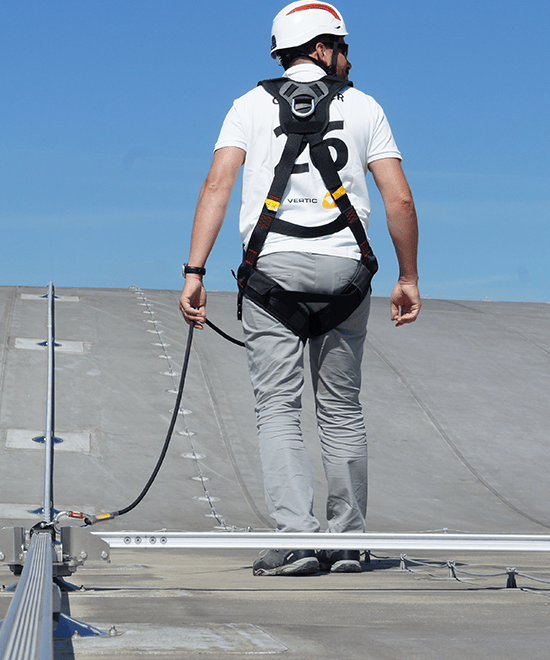
Our in-house technicians and engineers work on your projects and provide bespoke fall protection solutions according to your needs.
By Delta Plus Systems, we use the best softwares to design tailor-made safety systems and draw calculation notes, drawings…to suit the architectural constraints you may have, your requirements and use.

#
Filtres 527 Results
Filter
header
Product category
Head protection
Skull protection
Hearing protection
Protective eyewear
Respiratory protection
Safety gloves
Cut protection
Thermal protection
Chemical protection
Mechanical protection for precision works
Mechanical protection for multi purpose works
Mechanical protection for heavy works
Protective clothing
Workwear
Technical wear
Outdoor wear
Disposable wear
Safety footwear
Sport
Outdoor
Boots
Indoor
Fall protection
Anchorage - Work positioning
Body support
Connecting systems
Fall arrester systems
Rescue
Suspension
Sectors
Agriculture / Forestry / Fishing
Construction
Facilities services
Food Industry
Industry
Oil & Gas Processing & Petrochemical (OGPC) / Mining
Other sectors
Transportation / Storage
Utilities- Energy
Risks
Gender
Size
Fall arrest work situations

Why Wear Cut-Resistant Gloves at Work?

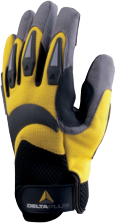
For workers handling sharp objects or operating machinery with moving parts, hand protection is not just necessary – it's critical. This is where cut-resistant gloves, a type of safety gloves, come into play.

Cut-resistant gloves are specifically designed to provide protection against accidental cuts, lacerations, and abrasions that can occur in various job tasks. Made of durable and protective materials like Kevlar or heavy-duty nitrile, these gloves provide a barrier between the worker's hands and potential hazards. They help to reduce the risk of serious injuries that could result from contact with sharp edges, pointed objects, or high-speed rotary machinery.

Moreover, cut-resistant gloves are not only about providing protection. These gloves are designed to offer good dexterity and flexibility. They allow workers to perform their tasks without hindrance, thus maintaining productivity levels while ensuring safety. A glove that provides both protection and comfort encourages regular use, making a safer workplace environment.

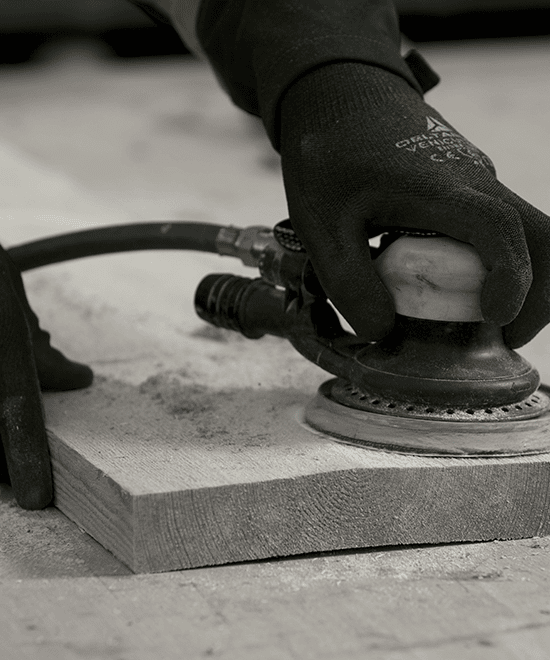
In industries such as construction, metal handling, glass manufacturing, woodworking, and many others, the usage of cut-resistant gloves is often mandatory under occupational safety regulations. These gloves are also essential in food preparation areas, where workers frequently use sharp knives and other cutting tools.

Wearing cut-resistant gloves at work is an easy and practical step to mitigate risks associated with hand injuries, making them a key part of any comprehensive personal protective equipment (PPE) program. Ultimately, the goal is to protect your most valuable tools – your hands – allowing you to work with confidence and safety.

What are the different types of safety harness?

Safety harnesses, an integral part of fall protection systems, play a critical role in ensuring worker safety in environments where falls from heights are a risk. They come in a variety of styles, each designed to meet the demands of specific work situations. Here, we will focus on two main types: thigh harnesses and fall arrest harnesses.

Thigh Harness

A thigh harness, also known as a sit harness, is generally used in situations where the risk of falling is not severe but where the worker needs support and balance. This type of harness consists of a waist belt and leg loops, providing support around the hips and thighs. It's commonly used in sports such as rock climbing or rappelling but can also be seen in professional settings like tree climbing or tower maintenance.

A thigh harness is not designed to arrest falls. Instead, it's used for positioning, to help workers maintain their balance and stability while working at heights.

Fall Arrest Harness

A fall arrest harness, often referred to as a full body harness, is designed to protect workers in situations where there is a risk of a serious fall. It's a part of a complete fall arrest system which also includes a connecting device such as a lanyard or lifeline, and an anchorage point.

Unlike a thigh harness, a fall arrest harness is built to distribute the forces experienced during a fall across the whole body, minimizing the risk of injury. Key components of a fall arrest harness include shoulder straps, leg straps, a sub-pelvic assembly for weight distribution, and a dorsal attachment point where a lanyard or lifeline can be attached.

The design of a fall arrest harness ensures that, in the event of a fall, the worker remains suspended in an upright position. It's important to remember that in a fall arrest scenario, rescue procedures must be initiated promptly to prevent the risks associated with prolonged suspension, known as suspension trauma.

Safety harnesses, whether thigh or fall arrest, are designed with user safety as the utmost priority. However, not all harnesses are created equal, and choosing the right one for your needs is crucial. In the next section, we'll delve into how to select the perfect harness for your occupation and height.

What is fall protection equipment?

Fall protection equipment, a subset of Personal Protective Equipment (PPE), is designed to protect workers from fall hazards while performing tasks at heights. The primary goal of fall protection equipment is to minimize the risk of fall incidents and reduce the potential for serious injuries.

Fall protection equipment, also known as fall-protection, encompasses three major types - fall arrest, fall restraint, and positioning.

Fall arrest systems, comprising harnesses, lanyards, and absorbers, are used to stop a fall in progress. When a fall occurs, the fall-arrest system "catches" the worker, decelerating their descent and absorbing the forces to minimize injury.

Fall restraint systems, on the other hand, are designed to prevent a fall from occurring in the first place. They restrict the movement of workers to areas where fall hazards are non-existent or significantly minimized. Components like a body harness and restraint lanyard are used in these systems.

Positioning equipment, including positioning lanyards and webbing, secure a worker to a structure in a way that allows hands-free work.

Central to these systems is the full body harness. A full body harness is designed to distribute the force exerted during a fall across the worker's body, thus reducing the chance of injury. It's a harness that encompasses the torso and the lower body, providing support and safety.

Other types of fall protection systems include guardrails, safety nets, ladder safety systems, and personal fall arrest systems. These systems work by providing a physical barrier to prevent falls, or by limiting the distance of a fall.

All these components and systems, when used correctly under the supervision of a competent person, as defined by OSHA, can significantly reduce the risk of serious injuries or fatalities from falls. A competent person is someone capable of identifying hazards and has the authority to take prompt corrective measures.

With the essence of what fall protection equipment is covered, let's explore why having this equipment at work is crucial.
What is Technical Work Clothing?

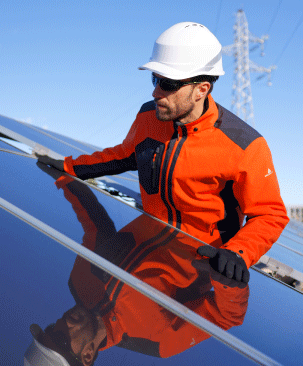
Technical work clothing, often referred to as performance apparel, is designed to meet the specific demands of certain job roles and tasks. It's constructed with advanced materials and innovative technologies to offer superior protection, comfort, and durability.

Unlike traditional work clothing, technical garments incorporate features that help tackle job-specific challenges. For instance, they could have waterproofing for outdoor work, breathability for high-intensity roles, insulation for cold environments, or fire resistance for hazardous jobs.

Materials: Technical work clothing is crafted from highly specialized fabrics. These can range from Gore-Tex for waterproofing, to Kevlar for cut and abrasion resistance, or CoolMax fabric for moisture management.

Construction: The garment construction is equally important. Seams, zips, and closures are designed to withstand rigorous use and resist elements like water and wind. Many technical clothing items feature reinforced stress areas, ergonomic cuts, and adjustable components for a better fit.

Functionality: Above all, technical work clothes are incredibly functional. Whether it's jackets with multiple pockets, pants with knee pads, or gloves with enhanced grip, each item is designed to make the wearer's job easier and safer.

Technical work clothing isn't limited to any one industry. From construction and outdoor pursuits to healthcare and food services, various sectors benefit from these advancements in apparel technology. At Delta Plus, we specialize in producing technical clothing that meets the unique needs of diverse industries, ensuring optimum protection and performance for all workers.

Why Do You Need to Protect Your Head?

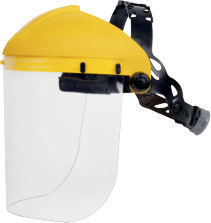
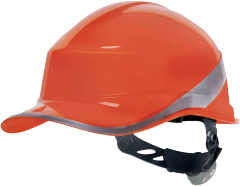
In numerous professional and hazardous settings, the importance of head protection can't be overstated. This crucial aspect of safety is not only a matter of occupational health but also a matter of personal wellbeing. Your head houses essential organs, including the brain and eyes - the command centre of your body. Any damage inflicted can result in severe, often irreversible, consequences, impairing senses, and even leading to life-threatening injuries.

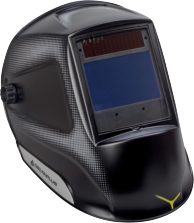
The necessity for head protection becomes more acute in environments like construction sites, manufacturing units, and utility services, where potential hazards like falling objects, flying debris, and accidental impact are commonplace. Furthermore, specific job roles such as welding or tasks involving exposure to harmful substances demand adequate headgear for protection against sparks, heat, chemical splashes, and hazardous airborne particles.

The necessity for robust head protection extends beyond mere compliance with safety standards such as those set by OSHA. It is about safeguarding workers, ensuring their safety, and promoting a healthy working environment. Therefore, head protection becomes an integral component of personal protective equipment (PPE).

Example Text

Example Rich Text