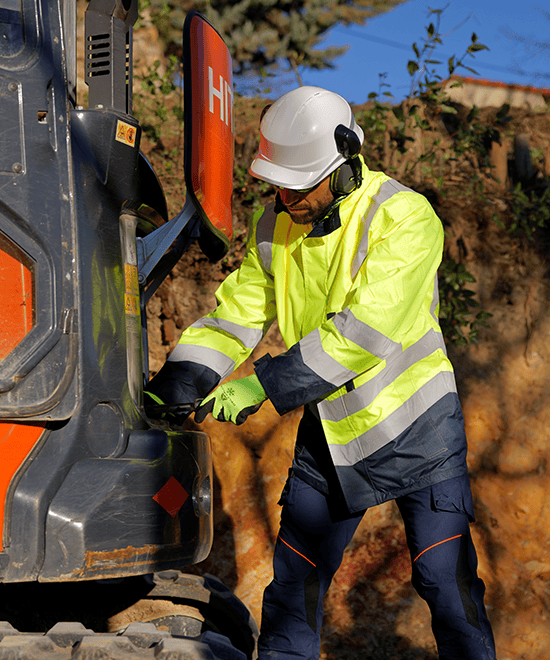
Fall protection equipment, a subset of Personal Protective Equipment (PPE), is designed to protect workers from fall hazards while performing tasks at heights. The primary goal of fall protection equipment is to minimize the risk of fall incidents and reduce the potential for serious injuries.
Fall protection equipment, also known as fall-protection, encompasses three major types - fall arrest, fall restraint, and positioning.
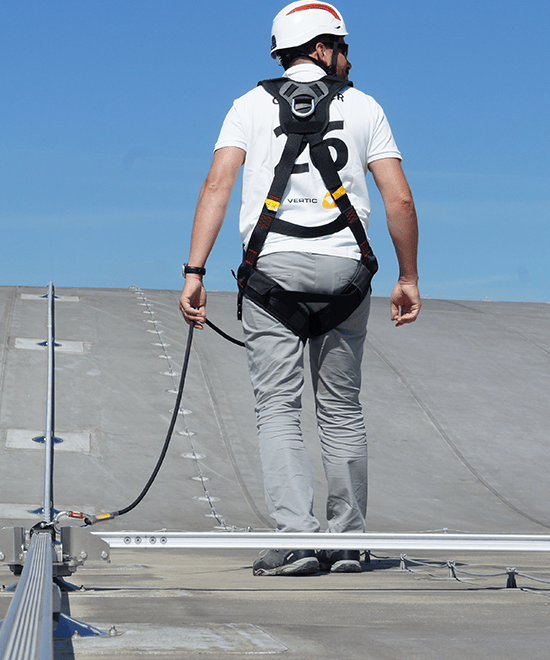
Fall arrest systems, comprising harnesses, lanyards, and absorbers, are used to stop a fall in progress. When a fall occurs, the fall-arrest system "catches" the worker, decelerating their descent and absorbing the forces to minimize injury.
Fall restraint systems, on the other hand, are designed to prevent a fall from occurring in the first place. They restrict the movement of workers to areas where fall hazards are non-existent or significantly minimized. Components like a body harness and restraint lanyard are used in these systems.
Positioning equipment, including positioning lanyards and webbing, secure a worker to a structure in a way that allows hands-free work.
Central to these systems is the full body harness. A full body harness is designed to distribute the force exerted during a fall across the worker's body, thus reducing the chance of injury. It's a harness that encompasses the torso and the lower body, providing support and safety.
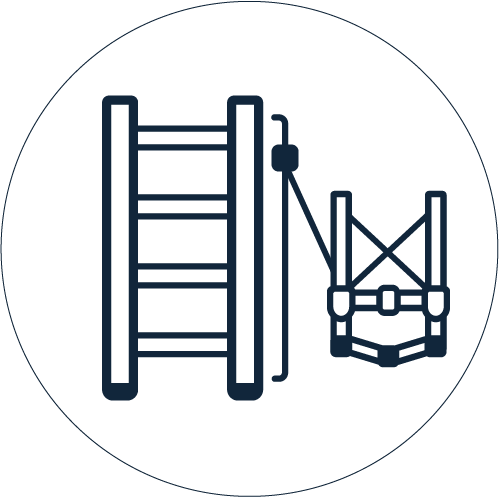
Other types of fall protection systems include guardrails, safety nets, ladder safety systems, and personal fall arrest systems. These systems work by providing a physical barrier to prevent falls, or by limiting the distance of a fall.
All these components and systems, when used correctly under the supervision of a competent person, as defined by OSHA, can significantly reduce the risk of serious injuries or fatalities from falls. A competent person is someone capable of identifying hazards and has the authority to take prompt corrective measures.
With the essence of what fall protection equipment is covered, let's explore why having this equipment at work is crucial.